
The power of storytelling in communication
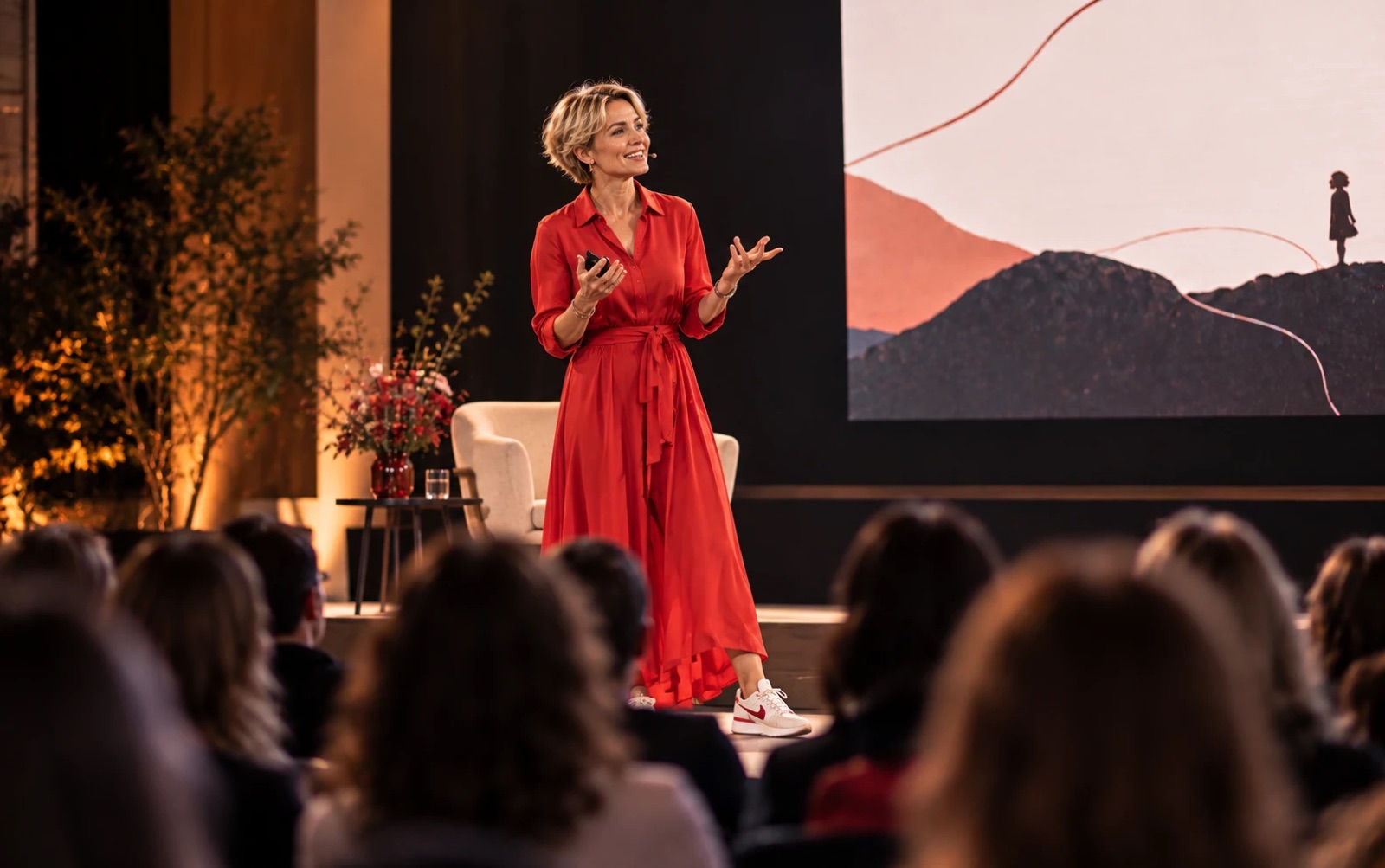
In the world of communication, using the power of storytelling in both marketing and coaching has been a deeply meaningful experience for me.
Ever since we began communicating, we have conveyed our thoughts, experiences and situations to one another in different ways. When we communicate, we try to use tools that let us express ourselves accurately and compellingly. Storytelling is one of these tools.
In the digital age we live in, as data and information flow at full speed from many sources, speed and volume make it harder to tell what is “important”. Meanwhile, in both marketing and leadership, we strive to deliver messages that are more lasting and effective.
According to the renowned story consultant Robert McKee, two things will now always be part of our lives: digitalisation and storytelling. Taking our cue from McKee, as we keep both close at hand, let us also bear in mind the findings of Professor Uri Hasson of Princeton University: stories activate the relevant regions of the brain and influence decision-making.
According to the author Paul Smith, stories create a strong emotional bond between the storyteller and the listener and, by sparking more curiosity and interest, increase trust and loyalty over time, because they help us relate what we hear more closely to ourselves. If we remember or love one product or brand more than others, this is in fact a sign that the brand’s story has formed a stronger emotional bond with us.
Dr Paul Zak, for his part, says that an emotional story triggers the release of oxytocin, often called the “love hormone” because it creates bonding, trust, empathy and compassion.
As I often mention in my training sessions, when marketers bring their brands to consumers, they need to pay attention above all (alongside dozens of other considerations) to the emotional bond. Storytelling is a very effective method for this.
While talking about emotional decisions in marketing, it is clear that people also make their way through their own world with stories. Each of us is on a journey as the hero of our own story. Just as we write our story ourselves, how we want to continue it is also among our own choices…
I would like to end with a sentence often attributed to Tolstoy, one I frequently use in my approach to change: “All great stories begin in one of two ways: a person goes on a journey, or a stranger comes to town.”
Sources
- Robert McKee (quotation)
- Uri Hasson, Princeton University (research on stories and the brain)
- Paul Smith (books on storytelling)
- Paul J. Zak (research on oxytocin and stories)
To talk about your brand, you can write to me.
Let's talk about consulting